
 By Kylie White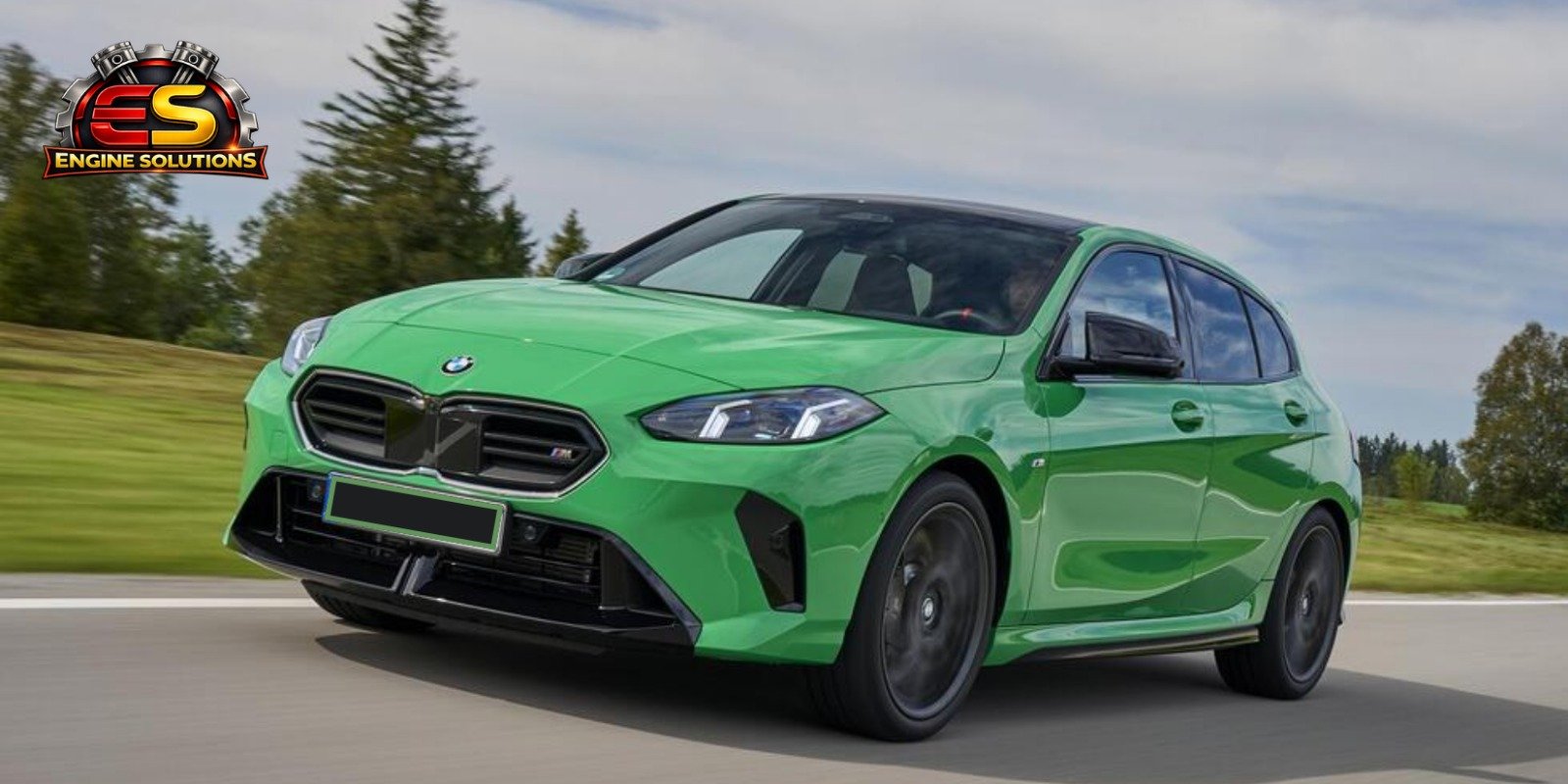
BMW’s 2.0L diesel engine has become one of the most recognised diesel powerplants in modern automotive history. Found across a range of BMW models — from the 3 Series to SUVs like the X3 — this engine is celebrated for balancing performance, torque, and fuel efficiency. As petrol engines struggle with economy at low RPMs, diesel engines like BMW’s 2.0L variant deliver strong low-end torque and impressive fuel mileage, making them ideal for both city driving and long motorway journeys.
However, with a competitive market that includes engines from Audi, Mercedes-Benz, and Volkswagen, many drivers and auto enthusiasts often ask: How does BMW’s 2.0L diesel engine compare to other engines in its class? At Engine Solutions in Grays, UK, we regularly assess engines — whether brand new or Reconditioned Engines — to offer balanced insight for buyers and mechanics alike.
Power Output and Performance Comparison
When evaluating BMW’s 2.0L diesel engine against similar engines from other manufacturers, performance is often the first area of comparison. BMW’s 2.0L diesel, particularly in its modern B47 iteration, delivers a range of outputs depending on tuning — often between 148 bhp to 190 bhp with torque figures that exceed many petrol counterparts. This makes it strong in mid-range acceleration and ideal for daily driving as well as longer journeys.
Comparatively, Audi’s 2.0 TDI engines offer similar outputs, while Mercedes-Benz’s 2.0L diesel options also cover a comparable performance range. The difference often lies in driving character and torque delivery. For example, BMW engines are tuned for a sportier feel with brisk throttle response, whereas some competitors favour a smoother, relaxed acceleration pattern.
Engine Solutions regularly handles Reconditioned Engines for customers who want to restore original performance or upgrade reliability. In many cases, well-reconditioned BMW diesel engines can outperform standard replacements from competitors in both responsiveness and overall driving feel.
Fuel Efficiency — BMW Engine vs. Other Diesels
One of the standout strengths of BMW’s 2.0L diesel engine is its fuel economy. Diesel engines are inherently more efficient than petrol variants due to the energy density of diesel fuel and the engine’s compression behaviour. In real-world testing, BMW’s diesel frequently returns high miles-per-gallon figures on both urban and motorway routes when compared to its competitors.
For instance, comparable Audi 2.0 diesels (like the TDI) and Volkswagen’s 2.0 common-rail diesels offer strong efficiency but sometimes fall short in fuel economy due to tuning priorities. Mercedes-Benz’s 2.0L diesels also provide competitive numbers but may be slightly less frugal in everyday driving.
At Engine Solutions, customers considering Reconditioned Engines often choose diesel options like BMW’s 2.0L for its proven track record of combining power with impressive economy. This has made the BMW engine a popular choice among UK drivers seeking lower fuel costs without sacrificing performance.
Reliability — What Sets BMW’s 2.0L Diesel Engine Apart
Reliability remains a critical factor when comparing engines. Many enthusiasts praise BMW’s 2.0L diesel engine for its durability when maintained properly. However, like all modern turbo-diesel engines, certain components can become vulnerable over time — especially with high mileage or irregular servicing.
Common issues across competitors include timing chain wear, injector failures, and turbocharger problems. BMW engines, particularly the older N47 series, have been noted for timing chain concerns under heavy use. Meanwhile, Audi and Mercedes-Benz diesels have their own sets of known issues.
Engine Solutions specialises in pre-purchase diagnostics and Reconditioned Engines, ensuring that even higher-mileage engines are inspected and rebuilt to deliver reliable performance. With our reconditioned BMW engines, many customers experience renewed longevity that matches or sometimes exceeds the reliability offered by new engines from rival brands.
Cost of Ownership and Maintenance
When comparing BMW’s 2.0L diesel engine to other engines of its class, the long-term cost of ownership is an important consideration. Diesel engines generally have higher upfront servicing costs due to complex systems like turbochargers, high-pressure fuel pumps, and exhaust treatment technology (e.g., iesel particulate filters). BMW’s 2.0L diesel is no exception, but many owners find that fuel savings and durability help offset these costs.
Other engines like Audi’s TDI or Mercedes-Benz diesels may come with similar maintenance demands. However, parts pricing and service networks can influence overall cost. BMW’s extensive service network in the UK and good availability of parts have kept ownership expenses competitive.
For budget-conscious buyers, Reconditioned Engines from Engine Solutions can dramatically reduce replacement costs while maintaining quality. Reconditioned BMW engines often come with warranties and are assemble using high-quality components, providing peace of mind without the price tag of a brand-new powerplant.
Driving Experience — Comparing Torque, Sound, and Feel
Beyond statistics, the subjective driving experience plays a big role in how engines are compare. BMW’s 2.0L diesel engine is tuned to deliver strong torque at low engine speeds, giving it an engaging and responsive feel on everyday roads. This makes gear changes feel smoother and overtakes more confident compared to some of its class rivals.
Audi’s diesels are often refined and efficient but may deliver torque in a more sedate fashion. Mercedes-Benz strikes a balance between comfort and power, aiming for smoothness over sporty character. Meanwhile, some engines from brands like Jaguar Land Rover offer punchier power but can lag in fuel efficiency.
Engine Solutions appreciates that the driving feel is a critical factor for many customers. Whether choosing a standard replacement, performance rebuild, or Reconditioned Engine, we tailor the build to match desired driving characteristics — from brisk acceleration to long highway comfort.
Emissions, Environmental Standards and Technology
Modern diesel engines must meet strict emissions regulations, and BMW’s 2.0L diesel engine incorporates advanced technology to comply. Features such as precise common-rail fuel injection, variable geometry turbochargers, and exhaust after-treatment systems (like AdBlue in later models) help reduce harmful outputs.
Comparatively, Audi and Mercedes-Benz have invested heavily in emissions technology as well — with some focusing on diesel particulate filters and urea injection systems. Some competitors offer mild-hybrid diesel systems that further optimise emissions and fuel economy.
At Engine Solutions, understanding the technical compliance of diesel engines helps us advise customers on which engines — new or Reconditioned Engines — best fit their intended use, whether for city driving, long commutes, or commercial applications.
BMW’s 2.0L Diesel Engine’s Place in the Market
After comparing BMW’s 2.0L diesel engine to similar engines in its class, it’s clear that BMW has crafted a competitive and desirable powerplant. Its blend of performance, fuel efficiency, and driving experience positions it well against rivals from Audi, Mercedes-Benz, and elsewhere. While no engine is perfect, the BMW engine has proven its strengths over years of real-world use.
For drivers in Grays, the UK, and beyond, choosing between new engines or Reconditioned Engines largely comes down to budget, usage, and expectations. At Engine Solutions in Grays, we help customers make informed decisions — whether you’re considering a replacement, upgrade, or performance rebuild.
If you’re curious about how a reconditioned BMW engine compares to other options — or need expert advice on choosing the right powerplant — reach out to Engine Solutions. Your next dependable engine could be closer than you think.