
 By Kylie White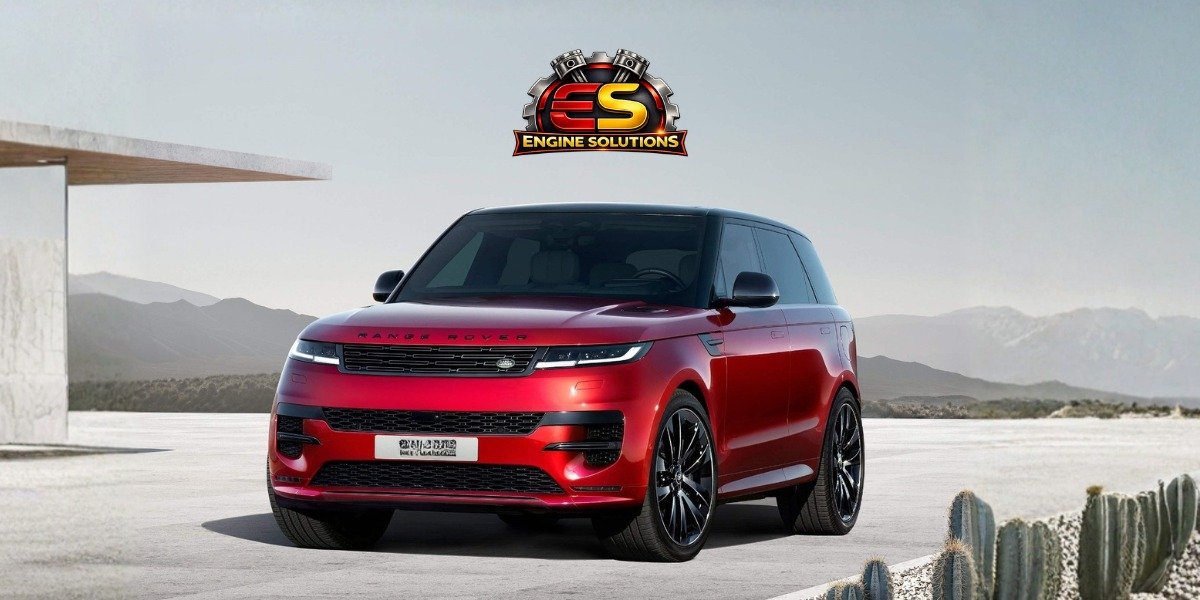
When it comes to luxury SUVs powered by the celebrated Range Rover 3.0L Diesel Engine, two models dominate the conversation — the full-size Range Rover and the Range Rover Sport. Both vehicles share DNA from the same prestigious Range Rover Engine lineage, yet they deliver distinctly different driving experiences. Understanding how each model harnesses the 3.0-litre diesel powertrain is essential whether you are a prospective buyer, a performance enthusiast, or someone looking to buy reconditioned engines for an existing vehicle. At Engine Solutions, based in Grays, UK, we work with both platforms daily — and in this guide, we break down exactly how these two legendary models compare when fitted with the 3.0L diesel unit.
The 3.0L Diesel Engine: What Powers Both Models?
At the heart of both vehicles sits the acclaimed Range Rover 3.0L Diesel Engine — a straight-six turbocharged unit that has been refined over multiple generations. In its most advanced form, this Range Rover Engine features mild hybrid technology (MHEV), with a 48-volt belt-integrated starter-generator that assists during acceleration and recovers energy under braking. Producing between 249bhp and 350bhp depending on state of tune, and generating up to 700Nm of torque, this engine is one of Land Rover’s most accomplished powerplants. Available as the D250, D300, and D350 variants, it is the same core unit in both vehicles — but the way each model deploys this power tells a very different story on the road.
Range Rover 3.0L Diesel: Performance, Weight, and Refinement
The full-size Range Rover fitted with the Range Rover 3.0L Diesel Engine is an exercise in composed, effortless performance. Weighing in at over 2,500kg, the Range Rover uses the 3.0L unit primarily as a refined long-distance cruiser. The D300 variant, for example, completes the 0–62mph sprint in approximately 6.5 seconds — impressive for a vehicle of its size and weight. What truly sets the Range Rover apart is its extraordinary refinement. The Range Rover Engine in this application is tuned for smoothness and low-end torque delivery, making it ideal for long motorway journeys, towing, and wafting across country roads in near-silent comfort. This is a performance package built around luxury rather than outright speed.
Range Rover Sport 3.0L Diesel: A More Driver-Focused Machine
Where the full-size Range Rover prioritises serenity, the Range Rover Sport takes the same Range Rover 3.0L Diesel Engine and wraps it in a sharper, more driver-focused package. The Sport sits on a shorter wheelbase, carries less weight, and benefits from sportier suspension tuning. The result is a noticeably more agile driving experience despite using the same core Range Rover Engine. The D300 Sport completes 0–62mph in around 6.2 seconds — fractionally quicker than its larger sibling — and the Sport’s chassis is calibrated to handle more dynamically in corners. For drivers who want SUV practicality with something closer to a sports saloon feel, the Range Rover Sport with the 3.0L diesel is the more rewarding choice behind the wheel.
Towing, Payload, and Practicality Compared
Beyond outright performance figures, the Range Rover 3.0L Diesel Engine shines in real-world applications — particularly towing. The full-size Range Rover has a maximum braked towing capacity of 3,500kg, making it the superior choice for those who regularly haul horse boxes, large trailers, or caravans. The Range Rover Sport matches this towing capacity, but its shorter body means slightly reduced boot space and passenger room in the rear. For families or those needing maximum practicality, the full-size Range Rover with the 3.0L diesel is the better option. For those who tow occasionally but prioritise driving enjoyment day-to-day, the Sport strikes a better balance. Both vehicles utilise the same Range Rover Engine architecture, ensuring exceptional pulling power regardless of model choice.
Long-Term Ownership and Reconditioned Engine Considerations
Over time, both the Range Rover and Range Rover Sport equipped with the Range Rover 3.0L Diesel Engine can experience wear-related issues — particularly in high-mileage examples. Common concerns include timing chain wear, injector deterioration, and EGR valve problems. When engine failure does occur, many owners find that sourcing quality reconditioned engines is a far more cost-effective solution than paying main dealer prices for a brand-new unit. Engine Solutions in Grays, UK, supplies fully rebuilt and tested reconditioned engines for both the Range Rover and Range Rover Sport across all generations. Whether you want to shop reconditioned engines for an older model or source a later MHEV unit, our team can help you find the right solution at the right price.
Engine Solutions Logistics: UK-Wide and International Delivery
One of the key advantages of choosing Engine Solutions in Grays, Essex, is our comprehensive logistics capability, which ensures your reconditioned engines are delivere safely and efficiently wherever you are. We provide UK-wide engine delivery with professional packaging, secure handling, and full shipment tracking from dispatch to delivery. For international customers, we offer a full range of shipping options including RoRo (Roll-on/Roll-off), Full Container Load (FCL), LCL sea freight, and air freight services — covering destinations worldwide. We also manage all customs clearance, import and export documentation, and cargo insurance, ensuring a smooth and compliant cross-border delivery experience every time. When you buy reconditioned engines from Engine Solutions, our dedicated logistics team handles everything, so you can focus on getting your vehicle back on the road without unnecessary delays or complications.
Verdict: Which 3.0L Diesel Variant Is Right for You?
So which vehicle makes better use of the Range Rover 3.0L Diesel Engine — the full-size Range Rover or the Sport? The honest answer depends entirely on your priorities. If supreme refinement, maximum towing capacity, and first-class long-distance comfort are your priorities, the full-size Range Rover is the definitive choice. If you want a sharper, more driver-engaged experience while retaining genuine SUV versatility, the Range Rover Sport wins on dynamics. Both are outstanding expressions of the same core Range Rover Engine — and both are well support by Engine Solutions in Grays, UK. Whether you need expert advice, want to shop reconditioned engines, or require fast UK-wide logistics, contact Engine Solutions today and let our team deliver the right engine solution for your vehicle.